


Recent
Most read


Ofsted has set out the challenges it believes schools faceÌýinÌýprovidingÌýremote learning to pupils during the Covid crisis.
The inspectorate has published a new report today detailing the findings of its research into remote education.
Here are sixÌýkey challengesÌý schools are having to overcome, according to Ofsted.
Ofsted:ÌýHow to do remote learning ‘well’
First lockdown:ÌýDfE sets out best practice for remote learning
Covid:ÌýWhat schools need to know about the new legal duty to provide remote learningÌý
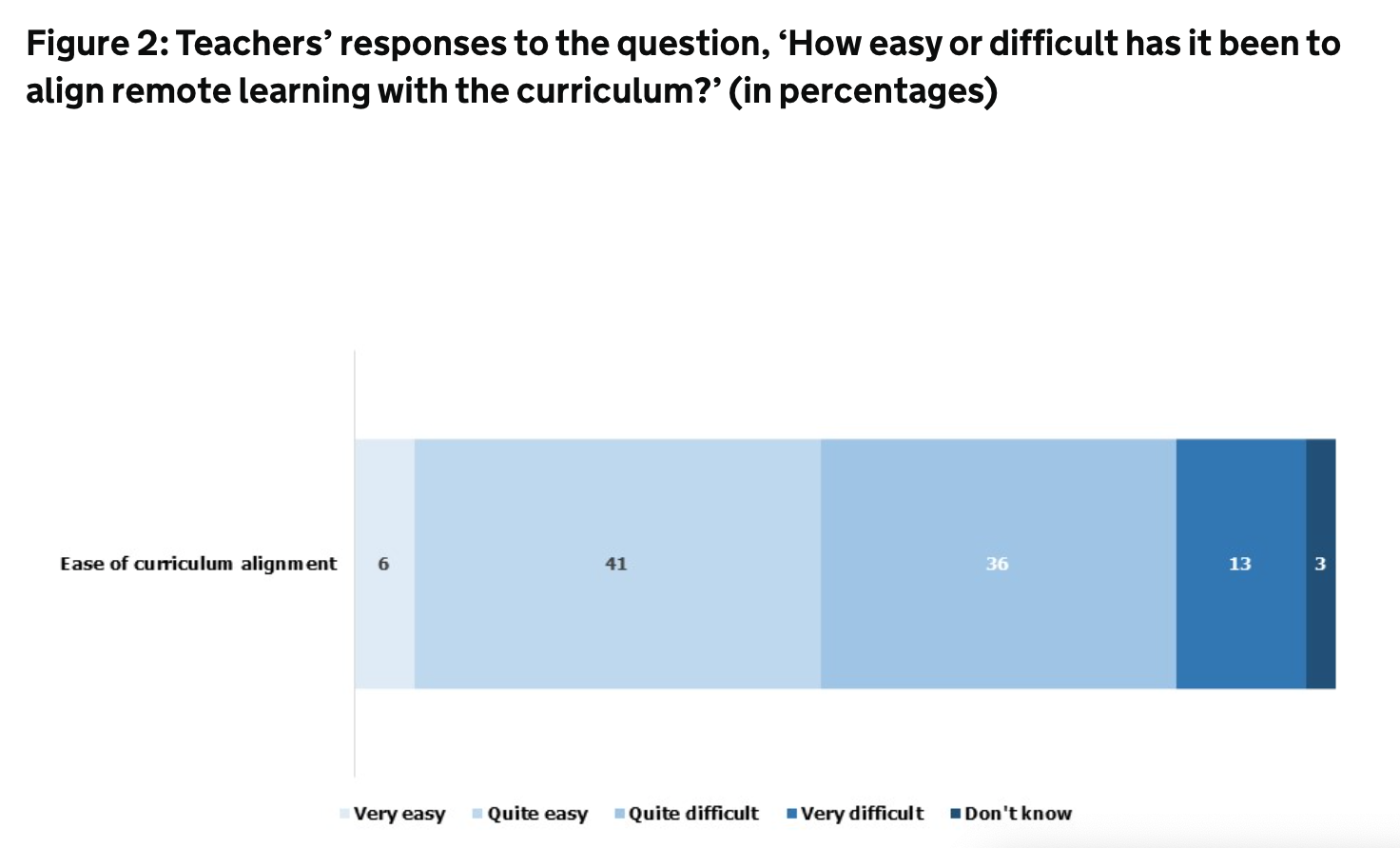
A survey of teachers found almost half had difficulty aligning remote learning with the school’s curriculum.
The responses, from just over 1,000 teachers, showed that 36 per cent said this had been “quite difficult� and 13 per cent said it had been “very difficult�.
The survey was carried out with YouGovÌýlast term, in November and December, before the most recent national lockdown.
Ofsted’s research showed that, for early years and pupils in key stage one, some school leaders felt curriculum alignment had been “particularly difficult to achieve�.
Some leaders surveyed said that, because of theÌýactivity-based nature of many early primary experiences, remote education was a particular concern where resources for pupils were not available in pupils’ homes.
Several leaders also felt that pupils may experience learning loss in their social and communication development. AÌýlack of socialisation with other children was a big concern for most of the primary leaders Ofsted spoke to.Ìý
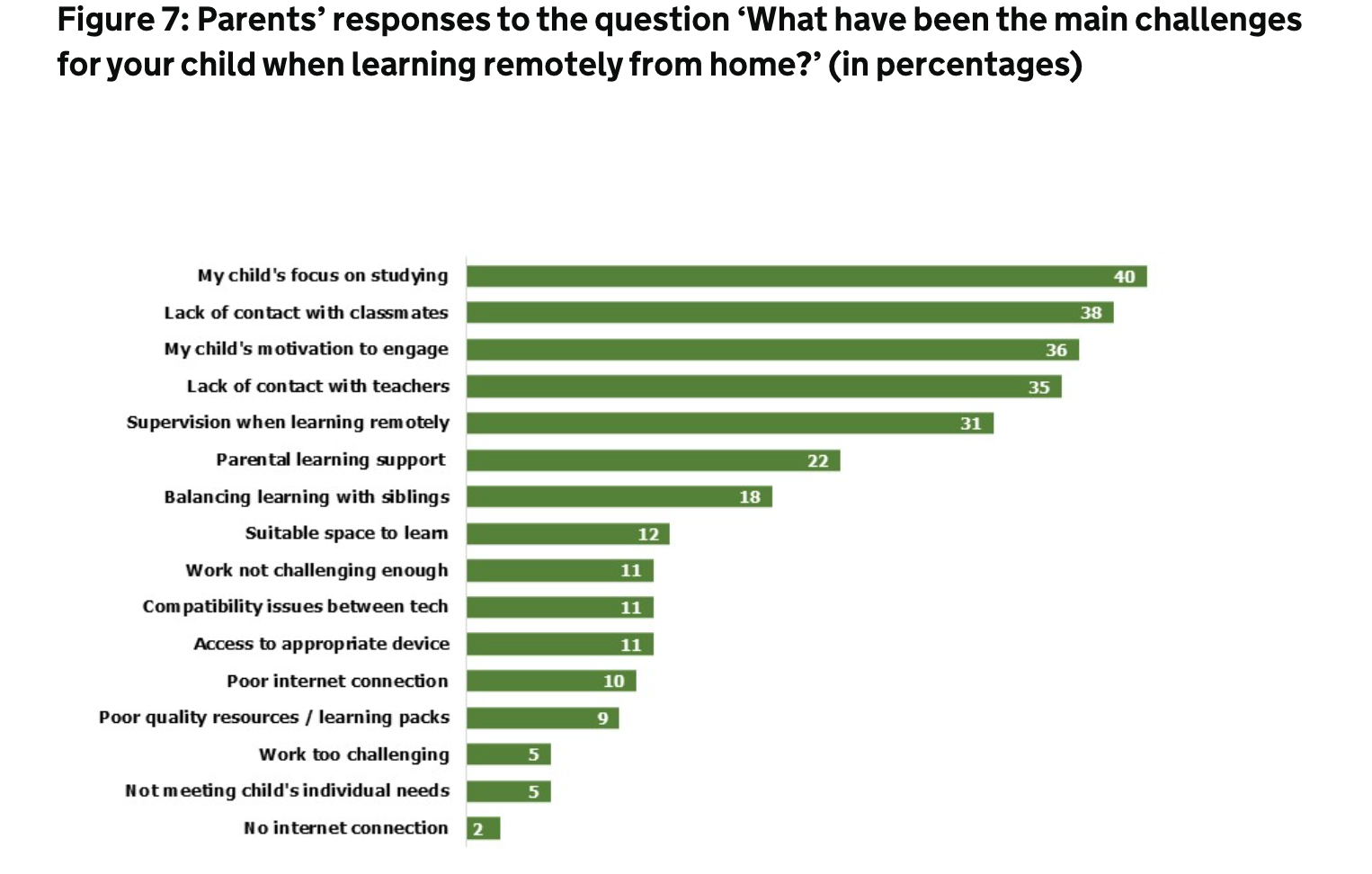
The report published today from Ofsted also included findings from a survey of parents about remote education.
This showed pupils’Ìýability to focus on studying was the challenge highlighted most often by parents. A lack of contact with classmates and their child’s motivation to engage wereÌýalso highlighted.
Chief inspector Amanda Spielman said: “While remote education will help to mitigate the learning lost when children are out of the classroom, it’s clear that pupils’ motivation and engagement remains an issue. This, along with the pressure remote learning places on teachers and parents, is proving a real barrier to children’s learning and development.
“Despite the challenges, I am impressed by the flexibility and innovation shown by teachers and leaders involved in our research.â€�Ìý
Ofsted said that, by the time it was carrying out its programme of autumn visits, most schools had overcome the lack of access to devices for pupils.
It said this was often because school leaders were highly concerned with the digital divide and went out of their way to ensure that all pupils could access their digital platform.
However, the report also warned that ensuring pupils had a device did not ensure access to remote education.
It warned that there were still problems including:Ìý
Delivering education to pupilsÌýboth remotely and in personÌýposes a threat to teacher wellbeing, according to theÌýnew Ofsted report.
The document, summarising theÌý,Ìýsays thatÌýincreasing workloadÌýis an ongoingÌýchallenge for schools in the pandemic.
ItÌýadds: “In particular, mixed delivery situations were seen as posing a threat to staff wellbeing. It was reported a number of times that staff were required to deliver content to students both in and outside of the classroom simultaneously.â€�Ìý
The new research report warns that providing a remote education solution that is inclusive, andÌýthat pupils with special educational needs and disability (SEND) “can meaningfully engage with and benefit fromâ€�Ìýis a concern for both parents and schools.
Ofsted’s YouGov survey found that 59 per centÌýof parents of a pupil with SEND said that their child has been disengaged with remote learning, compared with 39 per centÌýof parents of children without additional needs.Ìý
Schools were also concerned that learning gaps would be greater for pupils with SEND. And schoolÌýleaders told the watchdog of their concernsÌýthat the negative social and emotional impact of the disruption of remote learning would be more severe for some of these pupils.
The majority of teachers have confidence in the quality of the remote learning they have beenÌýproviding, according to aÌýsurvey carried out for Ofsted.
Just over half of teachers polled also believed that what they were doing was sustainable for the future.
And school leaders wereÌý able to point to long-term benefits to the steps they have made in remote education during the crisis.
ThisÌýincludes being able to use video lessons for:Ìý